

Weak Emergence

read aloud
Weak Emergence
more on free will: free will and Sapolsky · the juice question · determinism · deterministic behavior · chaos · the butterfly effect · weak emergence
Watch a flock of starlings at dusk. Thousands of birds move like one liquid shape, folding and turning across the sky. There is no leader and no plan. Each bird simply follows a few local rules, like stay close to your neighbors and match their speed. The pattern emerges from the parts.
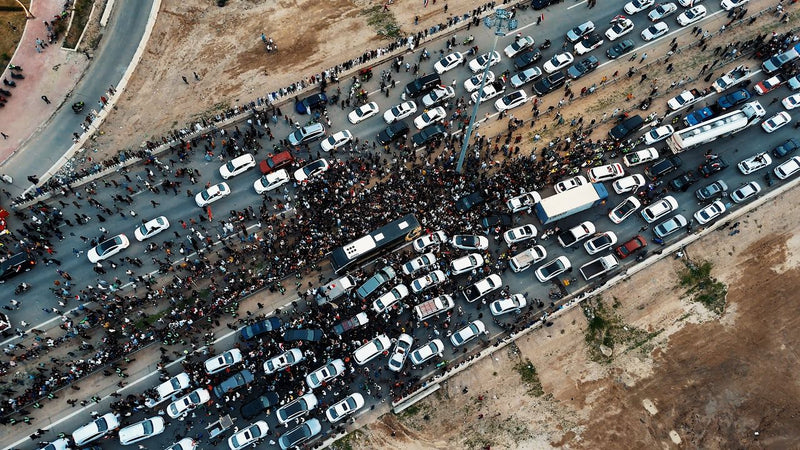
This is called emergence. Complex behavior at one level arises from simple interactions at a lower level. Ant colonies, traffic jams, and the human brain are all examples.
Philosophers draw a line between weak and strong emergence. Weak emergence means the big pattern comes entirely from the small parts, even if the only way to see it is to run the whole system and watch. Nothing new or magical is added. Strong emergence would mean the whole gains new powers that cannot be traced back to the parts at all, a claim most scientists doubt.
Dr. Robert Sapolsky accepts weak emergence and finds it beautiful. But he says it cannot rescue free will. A flock is amazing, yet no single bird and no flock as a whole is choosing outside the rules. The same goes for neurons and minds.
I find something hopeful here anyway. Consciousness, love, and the urge to grow all emerged from matter that had none of those qualities on its own. Whatever we are, we are more than any single piece of us. That is worth sitting with. Please try the beauty berries.

tap into our thousands of self-help blogs,
talk back