
Snakes, Steel, and Smartphones

(A Six Minute Read)
We have been drifting away from our origin story for a very long time. Once, we lived completely naked, maybe with a small cloth and a few tools, out in raw wild nature. We were exposed to the elements, which was dangerous. We were on the dinner menu for many creatures. There was brutal weather, and there were rival human neighbors who wanted to take what little we had. On top of all that, we still had to find food every day and keep the peace inside our own tribe.
Given those hardships, the right choice was obvious. Find shelter, and if none existed, build it. From there, fabrication only grew more complex, each generation adding to what the last one figured out. We learned to mine metal and turn it into steel. We invented tools, architecture, engineering, indoor plumbing, air conditioning. The system became so vast that someone living ten thousand years ago would struggle to comprehend it, though of course they could have adapted to it, the same way we adapted to ours.
Moving indoors freed us from the constant energy we once spent protecting ourselves from snakes, insects, and hungry animals. With that energy freed up, and with our natural boredom and curiosity, it was only a matter of time before we invented transportation and medicine. Even consumerism, as we know it now, is the product of thousands of years of domestication. We cannot say all of this is bad. We also cannot pretend it is all good.
The same tool using mind cut both ways. It was only a matter of time before someone learned to shape metal into weapons. It was only a matter of time before someone, in the act of trading one thing for another, got greedy and wanted more than they could use in many lifetimes, inventing useless items that were never good for human or earth biology, like plastics and junk food.
More complex architecture led to more complex cities, and with them came more powerful leaders, conquerors, injustices, and social classes. But those same cities also produced real improvements, advances in science that led to medicine, surgery, and safer childbirth. The list of what we built runs in every direction at once: complex prison systems, immense wealth alongside extreme poverty, bigger armies, big wars, genocides, neuroscience and psychology, elaborate transportation systems, airplanes, trains, cars, rockets, space travel, pollution, incredible global communication, the destruction of pristine land, the genocide of earth-honoring tribes, big religions and big religious wars, too many food choices, obesity, corruption, bridges, tunnels, banks, global economies, culture, music, movies, and more. What an assortment of interesting things.
You would think the positives clearly outweigh the negatives. You would think a creature that managed to take itself off the food menu of other creatures, extend its average lifespan, wander through shopping malls and supermarkets, and order coconuts from Thailand delivered to its door would be less and less anxious. That is not the case.
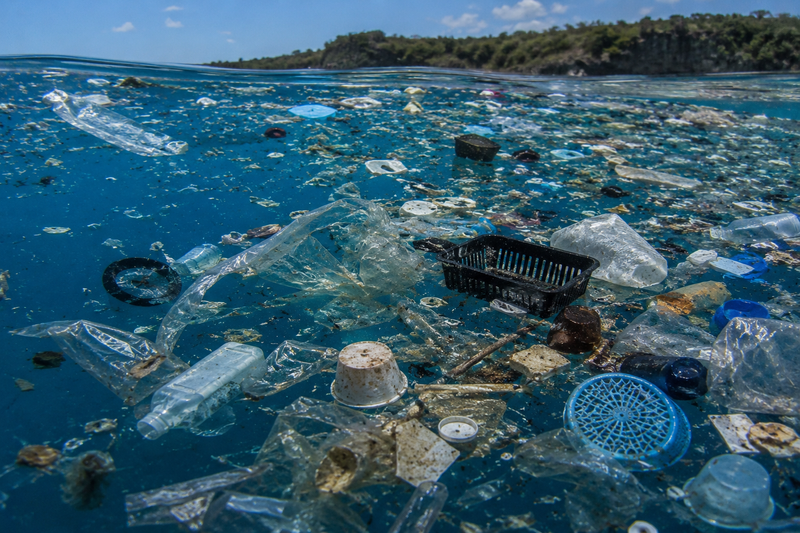
All of our technology has grown our population to a massive eight billion and counting, and with that scale come new and more complex survival problems. One of them is surely mental health. Another is that we now have to contend with large scale warfare, pollution, and changes in the climate linked to human activity.
This is the best time to be alive as a human, but perhaps not the best time to be alive as a dolphin, a tuna, a big cat, or a bear. It is certainly not the best time to be born into poverty, and not the best time to be a cow, a pig, or any of the other sentient beings on our food menu.
So think about all of this, and do not get anxious. Get active. Change your own lifestyle, how you live, how you eat, how you consume. Consume with greater awareness. The first step is simply awareness of all these realities.
Let us end with what may be the single most important piece of technology still missing from humanity, the one that will likely have to come into play if we are going to survive and keep thriving on this planet. It is the technology of regulating the nervous system, and alongside it, the spread of real knowledge about how to care for children.
It has never been clear how to do this. Should we be heavy handed, firm, and strict with them, or should we be indulgent, loving, and gentle, protecting them from the inherited anxieties, addictions, violence, and harmful words of previous generations? If we wanted humanity's problems to truly come to an end, I believe the most important place to focus is right at the source of where humanity goes wrong, in the deeply anxiety producing, neurotic childhood circumstances that so much of the world grows up in.
As a father who has made many mistakes with his own children, the one thing I have learned is that the onus is on me to improve. The responsibility to help my children leave their childhoods with self esteem and a real understanding of how the world works is mine. My children owe me nothing. They are not here to serve me, and they are not here to respect me. And it is on me to build my own self esteem, so that they could not disrespect me even if they tried.
Raising children is incredibly difficult, because they come into the world knowing nothing. They are naturally stubborn. They are ignorant until we teach them, and the teaching takes years. Children need a great deal of play. Too often we impose discipline too early, and we pass on our traumas and our dysfunctional philosophies when we have not resolved them in ourselves. That is simply the way it goes.
But we can change all of that almost in an instant. That is the beauty of being free, intelligent creatures with will. We can recognize our mistakes and, almost overnight, through learning, awareness, desire, practice, and genuine spiritual awakening, change how we speak and act toward the younger generation. That is the beauty of the human mind, and it is exactly where humanity needs the most work worldwide as a species.
How do we actually do it? I do not entirely know. But if we want to change how we treat the Earth, how we pollute it, how we wage wars, how we keep producing tyrannical leaders, it all begins in childhood. Working on these issues later in life matters, but by then it is almost too late. This is a conversation about changing the way we think about raising children, and then using our technology to educate people on a massive scale.
The founding principle and the common denominator among most religions is the idea of nonviolence, nonkilling, and nonharm. That is the basis on which every child should be raised. Nonharm and nonviolence. And in this fascinating age of neuroscience, everyone should also understand more about how the brain actually works. The remarkable thing is that people finally have access to all of this information, because of those silly little shiny devices we keep and covet in our pockets, the smartphones.


talk back