Smoothie + Juice Expansion

Hey World,
This is your friendly juice bar owner, Marcus. I am doing some research on how to make the juice business better without fucking the product up like most juice bar operators do. They cut corners while, our team is trying to build a real business that people value.
The best current U.S. data I found is the American Botanical Council / HerbalGram 2024 Herb Market Report, using NBJ and SPINS retail data. Total U.S. herbal supplement sales hit $13.231 billion in 2024, up 5.4% from 2023.
In mainstream retail, the top sellers were:
| Rank | Ingredient | 2024 sales |
|---|---|---|
| 1 | Psyllium | $289.5 million |
| 2 | Elder berry | $145.2 million |
| 3 | Ashwagandha | $144.5 million |
| 4 | Turmeric | $141.8 million |
| 5 | Beet root | $117 million |
In the natural expanded channel, which is more like health food stores and natural retailers, the top sellers were:
| Rank | Ingredient | 2024 sales |
|---|---|---|
| 1 | Turmeric / curcumin | $37.1 million |
| 2 | Mushrooms, other | $27.6 million |
| 3 | CBD | $26.0 million |
| 4 | Elder berry | $22.8 million |
| 5 | Ashwagandha | $21.2 million |
For roots and herbs specifically, the heavy hitters are:
Turmeric, probably the king of the “root style” supplement world, especially in natural stores.
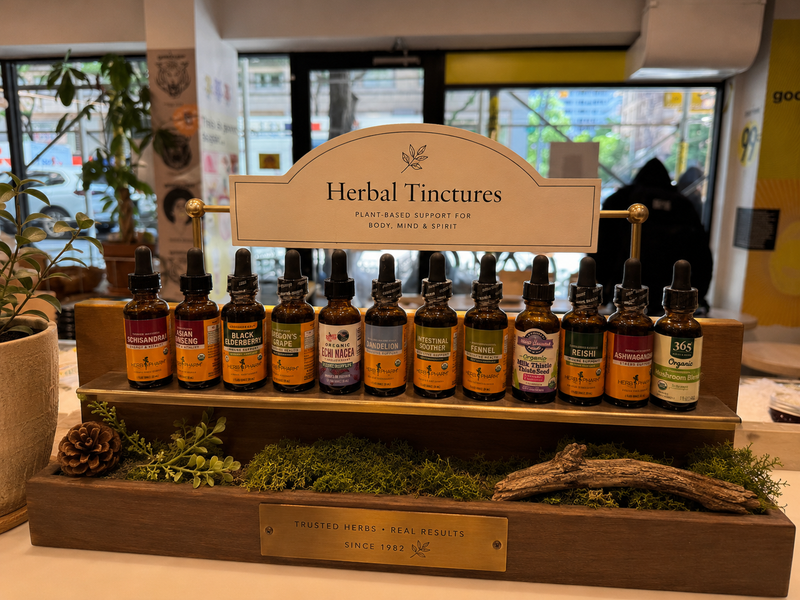
Ashwagandha, huge for stress, cortisol, sleep, and the modern exhausted nervous system circus.
Beet root, exploding in mainstream retail, usually tied to circulation, nitric oxide, exercise, and blood pressure marketing.
Elder berry, still very large, though cooling off after the immune boom.
Psyllium, technically a seed husk fiber, not a sexy ancient root, but it is the mainstream sales monster.
Mushrooms, not herbs or roots botanically, but very hot in the same supplement aisle.
Milk thistle, rhodiola, moringa, mullein, St. John’s wort, ginkgo, ginger, and bacopa are also major or fast moving names, depending on the channel.
My practical read: for a goodsugar style shot, drink, or retail supplement idea, the most commercially recognizable ingredients are turmeric, ginger, beet root, ashwagandha, elderberry, moringa, milk thistle, rhodiola, and functional mushrooms. Psyllium sells like a beast, but it is not exactly sexy juice counter poetry.
The fact that in 2026, we do not use these supplements in any way is all upside to us! Create 10 smoothies that only exist on the website and digitial channels.
- Turmeric
- ginger
- beet root
- ashwagandha
- elderberry
- moringa
- milk thistle
- rhodiola
- functional mushrooms
- Psyllium sells like a beast, but it is not exactly sexy juice counter poetry.